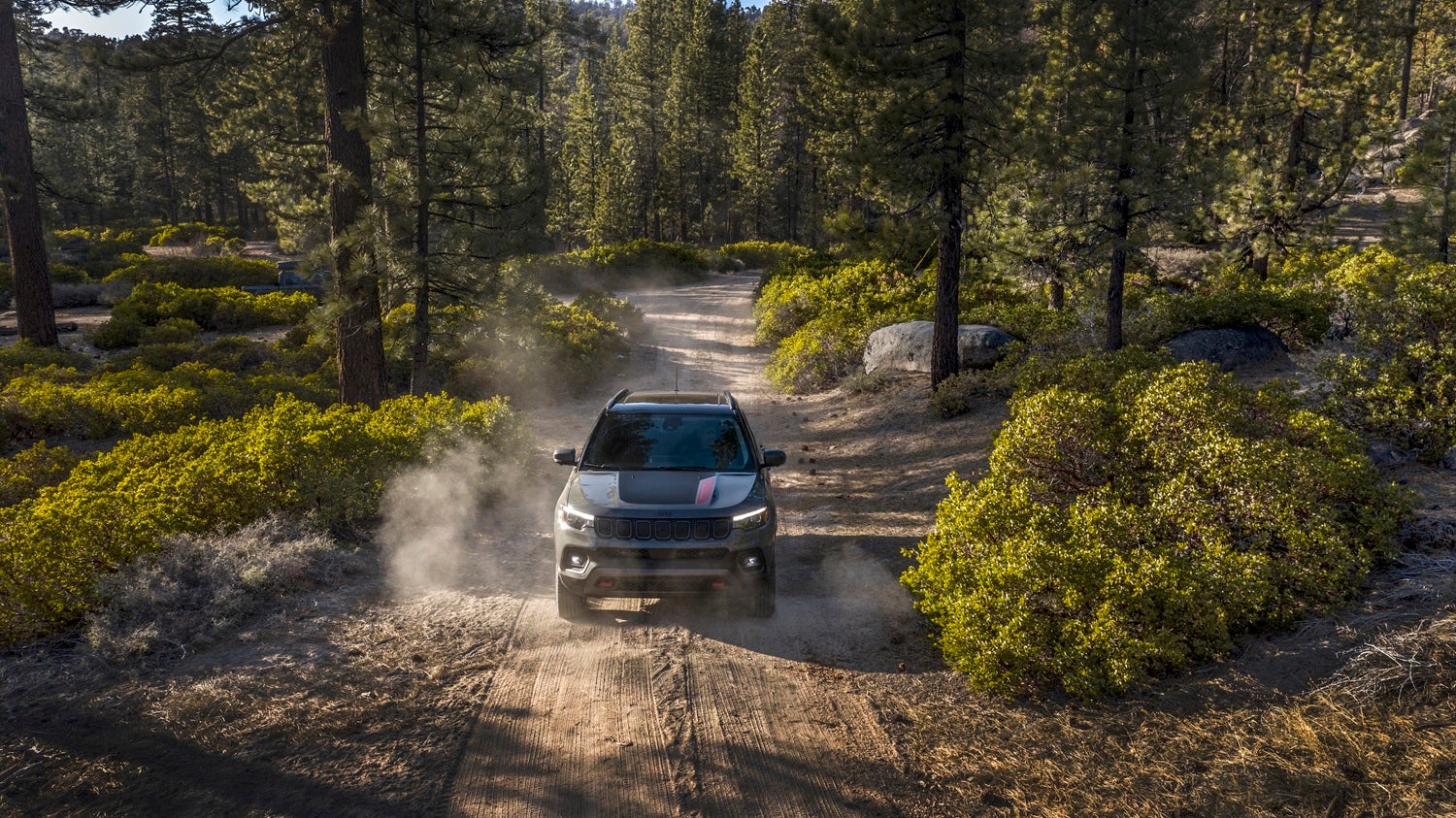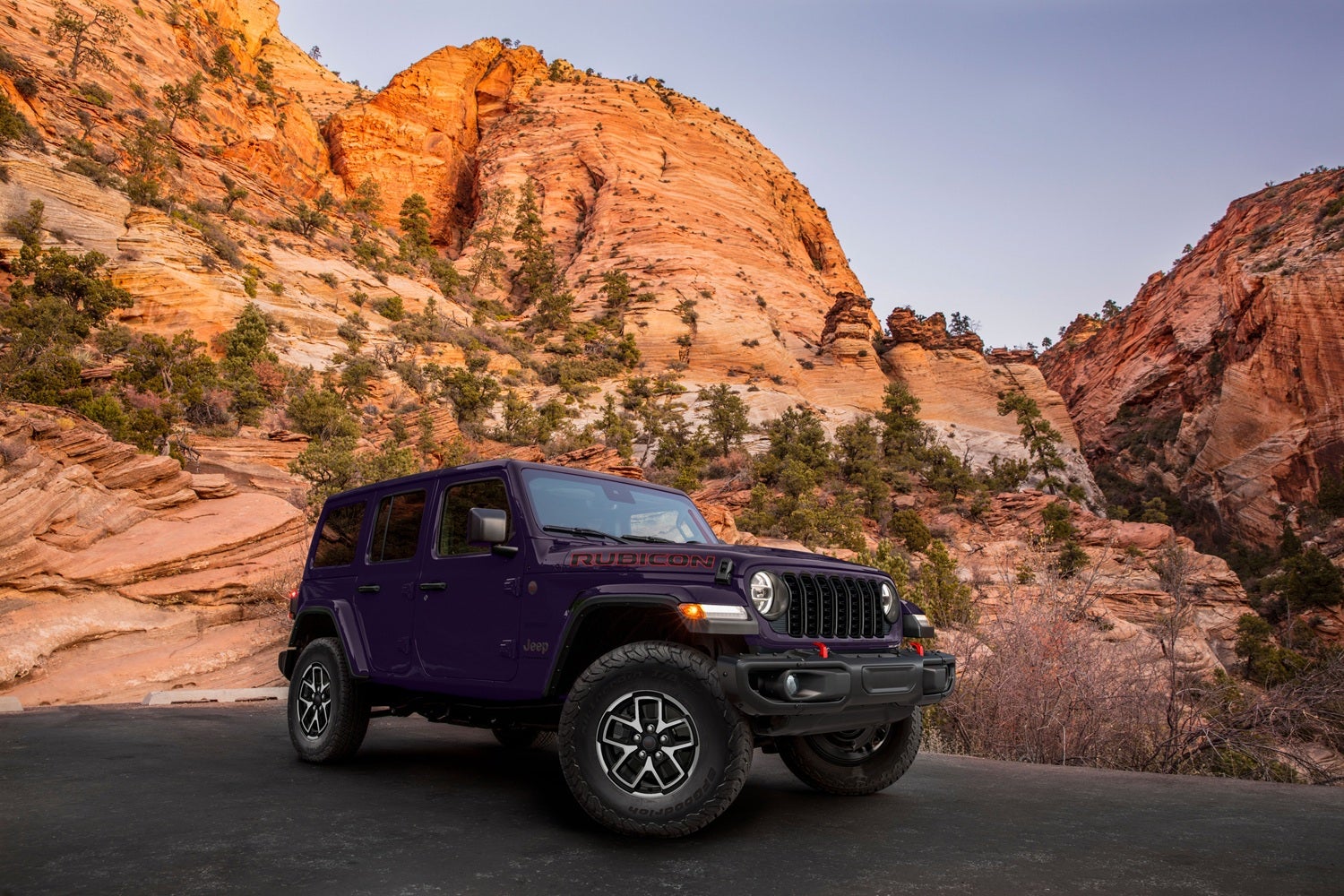




Shopping for a new SUV means finding the right balance of comfort, capability, and everyday practicality. The 2026 Jeep Compass and Jeep Wrangler share the Jeep name, but they serve different driving needs. The Compass combines compact dimensions, standard four-wheel drive, and convenient features for daily travel. The Wrangler takes a more adventure-focused approach, with specialized off-road engineering, multiple 4x4 systems, and removable roof and door options. For drivers around Clarksburg, Bridgeport, Fairmont, and Morgantown, either SUV could make sense depending on daily commutes, family needs, and weekend plans. At Black Bear Chrysler Dodge Jeep Ram, our team can help you compare Jeep models, explore available features, and find a vehicle that fits your lifestyle. Start with this guide to the key differences between the 2026 Jeep Compass and Wrangler before visiting our new vehicle inventory. Shop New Jeep Compass Shop New Jeep Wrangler Contact Us Jeep Compass vs Wrangler: What's the Difference? The biggest distinction is how each SUV approaches everyday driving and adventure. The Compass is a compact SUV designed to balance passenger comfort, manageable dimensions, and capability. The Wrangler is built around off-road performance and the freedom to customize your driving experience. Feature 2026 Jeep Compass 2026 Jeep Wrangler Starting MSRP $29,550 $36,035 Standard engine 2.0L turbocharged four-cylinder 3.6L V6 on the base Sport configuration Horsepower 200 hp Up to 470 hp on select V8 models Drivetrain Standard 4x4 Multiple available 4x4 systems Fuel economy Up to 24 city/32 highway MPG 17 city/23 highway MPG on Sport Seating Five passengers 4 or 5, depending on two-door or four-door configuration Standout advantage Compact practicality and everyday versatility Specialized off-road capability and open-air driving Specifications reflect the manufacturer's published information for the 2026 model year. Fuel economy, seating, pricing, and equipment vary by configuration. Performance and Off-Road Capability Both SUVs offer four-wheel-drive capability, but the Wrangler is the more specialized choice for demanding terrain. Your decision should depend on the kind of driving you expect to do, not simply which vehicle has the more adventurous appearance. Jeep Compass: Practical Power for Everyday Driving The 2026 Jeep Compass uses a turbocharged 2.0-liter four-cylinder engine producing 200 horsepower and 221 lb-ft of torque. An eight-speed automatic transmission helps deliver power, while standard 4x4 capability supports traction in changing conditions. For drivers who spend most of their time commuting, running errands, or traveling between nearby communities, the Compass offers a practical combination of power and manageable size. Its four-wheel-drive system also makes it worth considering if your routine includes wet roads, winter weather, or occasional unpaved routes. The Compass Trailhawk adds a more adventure-oriented option within the lineup. It's worth exploring if you want a compact SUV with additional off-road-focused features without moving to the Wrangler's more specialized design. Jeep Wrangler: Designed for More Challenging Terrain The Wrangler is engineered for drivers who want to travel beyond paved roads. Its available powertrains include a 2.0-liter turbocharged four-cylinder with up to 270 horsepower, a 3.6-liter Pentastar® V6 with up to 285 horsepower, and a 6.4-liter HEMI® V8 producing up to 470 horsepower in select models. Depending on trim, the Wrangler can offer low-range gearing, locking differentials, specialized suspension components, and other equipment designed for challenging trails. These features can make a real difference when navigating rocky surfaces, steep inclines, or uneven terrain. The Wrangler also offers multiple configurations, from the two-door Sport to four-door models designed to accommodate additional passengers. If off-road recreation is a regular part of your life, comparing trims is especially important because capability varies across the lineup. Which Jeep SUV is better for performance? The Compass makes sense for drivers who want useful power and everyday versatility. The Wrangler is the stronger choice for specialized off-road capability and drivers who want access to more powerful engine options. Which SUV Is Better for Daily Driving? A vehicle's usefulness often comes down to the little things: how easily it fits into a parking space, how comfortable the cabin feels during a commute, and whether there's enough room for your regular errands. Maneuverability and Convenience The Compass's compact dimensions make it a natural option for drivers who frequently navigate parking lots, residential streets, and busy shopping areas. Its five-passenger layout and everyday-focused design work well for individuals, couples, and small families who want an SUV without moving into a larger vehicle. The Wrangler can certainly handle daily driving, but its strengths lie elsewhere. Its upright design, distinctive driving feel, and available off-road equipment appeal to drivers who prioritize capability and character. If you're considering a Wrangler as your primary vehicle, take a test drive on the types of roads you use most often. Comfort for Passengers and Cargo The Compass provides seating for five and a compact cabin designed around daily travel. Its rear cargo area can accommodate groceries, backpacks, and weekend luggage, while the rear seats provide additional flexibility when you need to carry larger items. The Wrangler's practicality depends heavily on configuration. A four-door model may be the better fit for families who regularly transport several passengers, while a two-door model offers a shorter overall footprint and a different driving experience. Folding the rear seats can create additional cargo space, although available room varies by model. Before deciding, consider what you regularly carry. A stroller, sports equipment, camping supplies, or several suitcases can quickly change how much room you need. If possible, bring a few frequently used items to your test drive to see how they fit. Fuel Economy and Long-Term Ownership Costs Fuel economy is worth considering if you drive frequently or have a long daily commute. The 2026 Compass has an official EPA-estimated rating of 24 MPG city and 32 MPG highway for the specified configuration. The 2026 Wrangler's published ratings vary by engine, transmission, and body style; for example, the two-door Sport with the V6 and manual transmission is rated at 17 MPG city and 23 MPG highway. These figures illustrate why configuration matters. A Wrangler with a different engine or transmission can have different fuel economy, so review the exact vehicle's ratings before comparing annual fuel expenses. The purchase price is another difference. The 2026 Compass starts at $29,550 and the Wrangler starts at $36,035, a difference of $6,485 before taxes, fees, options, and applicable offers. To estimate your actual ownership costs, consider: Fuel: Estimate your annual mileage and use the EPA rating for your chosen configuration. Insurance: Request quotes for the specific trims you're considering. Maintenance: Review scheduled maintenance requirements and tire replacement costs. Features: Decide whether optional equipment meaningfully improves your everyday driving experience. Financing: Compare available terms, down payments, and applicable incentives. The Compass's lower starting price may appeal to budget-conscious shoppers, while the Wrangler's additional capability may justify the difference for drivers who regularly use it. Technology and Safety Features Modern technology can make commuting and family travel more convenient. Both the Compass and Wrangler offer useful infotainment and driver-assistance features, although exact equipment varies by trim. Infotainment and Connectivity The Compass is designed for everyday convenience, with an infotainment system that supports compatible smartphone integration and access to key vehicle functions. Its straightforward cabin layout can make routine trips and navigation easier to manage. The Wrangler features a 12.3-inch Uconnect® touchscreen, providing a central display for compatible connectivity and entertainment functions. Available technology and convenience features vary across trims, so compare the equipment included with each model rather than assuming every feature is standard. Driver Assistance and Everyday Confidence Depending on configuration, the Wrangler offers features such as Adaptive Cruise Control and Full-Speed Forward Collision Warning with Active Braking. The Compass also offers driver-assistance technology designed to help support awareness on the road. When comparing vehicles, check the specific safety equipment included, whether a feature is standard or optional, and how it operates. Also review independent crash-test information for the model year you're shopping for. Neither SUV's technology replaces attentive driving. Proper tires, safe speeds, and appropriate following distances remain essential, particularly during winter weather. Which Jeep Is Better for West Virginia Weather? Drivers in Clarksburg, Bridgeport, Fairmont, and Morgantown may encounter rain, snow, changing temperatures, and winding roads throughout the year. Both the Compass and Wrangler offer 4x4 capability, but their strengths differ. The Compass's standard four-wheel drive provides a useful foundation for everyday travel when road conditions change. Its compact design and daily-driving focus may suit drivers who primarily travel on paved roads and want additional traction capability. The Wrangler's available 4x4 systems are designed for a broader range of terrain, including challenging off-road conditions when properly equipped. If your weekends involve trail driving or outdoor destinations with rough access roads, its specialized hardware may be especially valuable. Keep in mind that four-wheel drive doesn't eliminate the risk of sliding or shorten braking distances on ice. Appropriate winter tires and cautious driving matter regardless of which SUV you choose. Jeep Compass or Wrangler: Which One Should You Choose? Rather than asking which Jeep is universally better, think about which one fits your routine. The 2026 Jeep Compass may be right for you if you: Want a compact SUV for commuting and everyday errands. Prefer a five-passenger layout with practical cargo flexibility. Value fuel economy and a lower starting MSRP. Want standard 4x4 capability without prioritizing extreme off-road performance. The 2026 Jeep Wrangler may be right for you if you: Regularly enjoy trail driving, camping, and outdoor recreation. Want access to specialized off-road equipment and multiple 4x4 systems. Like removable roof and door options on select configurations. Prefer a broad range of powertrains and adventure-focused trims. You don't need to be an avid off-roader to enjoy a Wrangler, just as you don't have to be a city commuter to appreciate a Compass. The important question is whether you'll benefit from the features you're paying for. Find Your Next Jeep at Black Bear Chrysler Dodge Jeep Ram Choosing between the Compass and Wrangler becomes easier when you can compare their features in person. At Black Bear Chrysler Dodge Jeep Ram, we help drivers find vehicles that suit their daily routines, budgets, and weekend plans. If you're shopping in Clarksburg, Bridgeport, Fairmont, or Morgantown, browse our Jeep Compass inventory and Jeep Wrangler inventory to explore available models. Our team can help you compare trims, review financing options, and arrange a test drive. Have questions about your options? Contact Black Bear CDJR or visit our dealership to get started. We're here to help you find the right Jeep for the roads ahead. Frequently Asked Questions Is the Jeep Compass or Wrangler better for everyday driving? The Compass is generally the more practical choice for commuting, errands, and routine travel because of its compact design and everyday-focused features. The Wrangler can also serve as a daily driver, particularly for people who value its distinctive styling and off-road capability. Which gets better gas mileage, the Jeep Compass or Wrangler? The Compass achieves an EPA-estimated 24 MPG city and 32 MPG highway in the specified 2026 configuration. Wrangler fuel economy varies by engine, transmission, and body style. Compare EPA ratings for the exact vehicles you're considering. Is the Jeep Wrangler better off-road than the Compass? The Wrangler is designed for more demanding off-road driving and offers specialized equipment such as available low-range gearing and locking differentials. The Compass also offers 4x4 capability, with the Trailhawk providing a more adventure-focused configuration. Which is cheaper, the 2026 Jeep Compass or Wrangler? The 2026 Jeep Compass starts at $29,550, while the 2026 Jeep Wrangler starts at $36,035 according to Jeep's published pricing. Actual prices depend on trim, options, fees, and applicable offers. Does the Jeep Compass have four-wheel drive? Yes. The 2026 Jeep Compass lineup features standard 4x4 capability. Specific systems and off-road features vary by trim. Is the Jeep Wrangler a good family SUV? The Wrangler can work well for families, especially in a four-door configuration. Consider rear-seat access, child-seat installation, cargo space, and daily comfort before choosing. The Compass may be more practical for households that prioritize compact dimensions and routine commuting. Get Directions to Black Bear Chrysler Dodge Jeep Ram Disclaimer: All information is provided for general informational and entertainment purposes only. While we strive for accuracy, we cannot guarantee that all content is complete, current, or error-free. Any reliance you place on such information is strictly at your own risk. This article may include opinions and is not endorsed by, or officially affiliated with, any vehicle manufacturer or brand. Always consult official sources – such as the vehicle’s owner’s manual, authorized dealerships, or certified professionals – for the most up-to-date and personalized information.